
In the vibrant and controversial world of bullfighting, the paseíllo emerges as a ritual dance full of symbolism and bravery. This prelude to the bullfighter’s work is not just a procession to the bullring, but an artistic expression rooted in the rich tradition of bullfighting.
What is the parade?
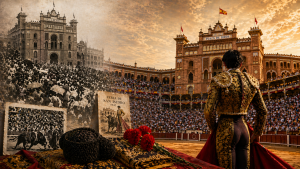
The paseíllo, which literally translates to “walk” in Spanish, is much more than a formal entrance of the bullfighters into the arena. It is a ceremonial parade where the bullfighters, dressed in richly ornamented suits of lights, walk with grace and determination from the pens to the center of the ring. This ephemeral but momentous moment, full of solemnity and tension, marks the beginning of a deadly dance between man and beast. Each step of the paseíllo is precisely choreographed. The bullfighters advance in a line, carrying their capes with elegance, while the crowd watches with a mix of expectation and respect. Music, often a paso doble, envelops the atmosphere, adding a melodic touch to the intensity that is to come. This ritual, although stylized and traditional, contains a fascinating duality. On the one hand, it represents the deep connection with the cultural roots and ancestral history of bullfighting. On the other hand, it is the prelude to a visceral confrontation between man and bull, where art and skill intertwine with brute force and unpredictability. The parade also serves as the presentation of the bullfighters to the public, offering fans the opportunity to appreciate the unique personality of each bullfighter. Every gesture, every glance, contributes to the construction of the emotional narrative that will unfold in the arena.